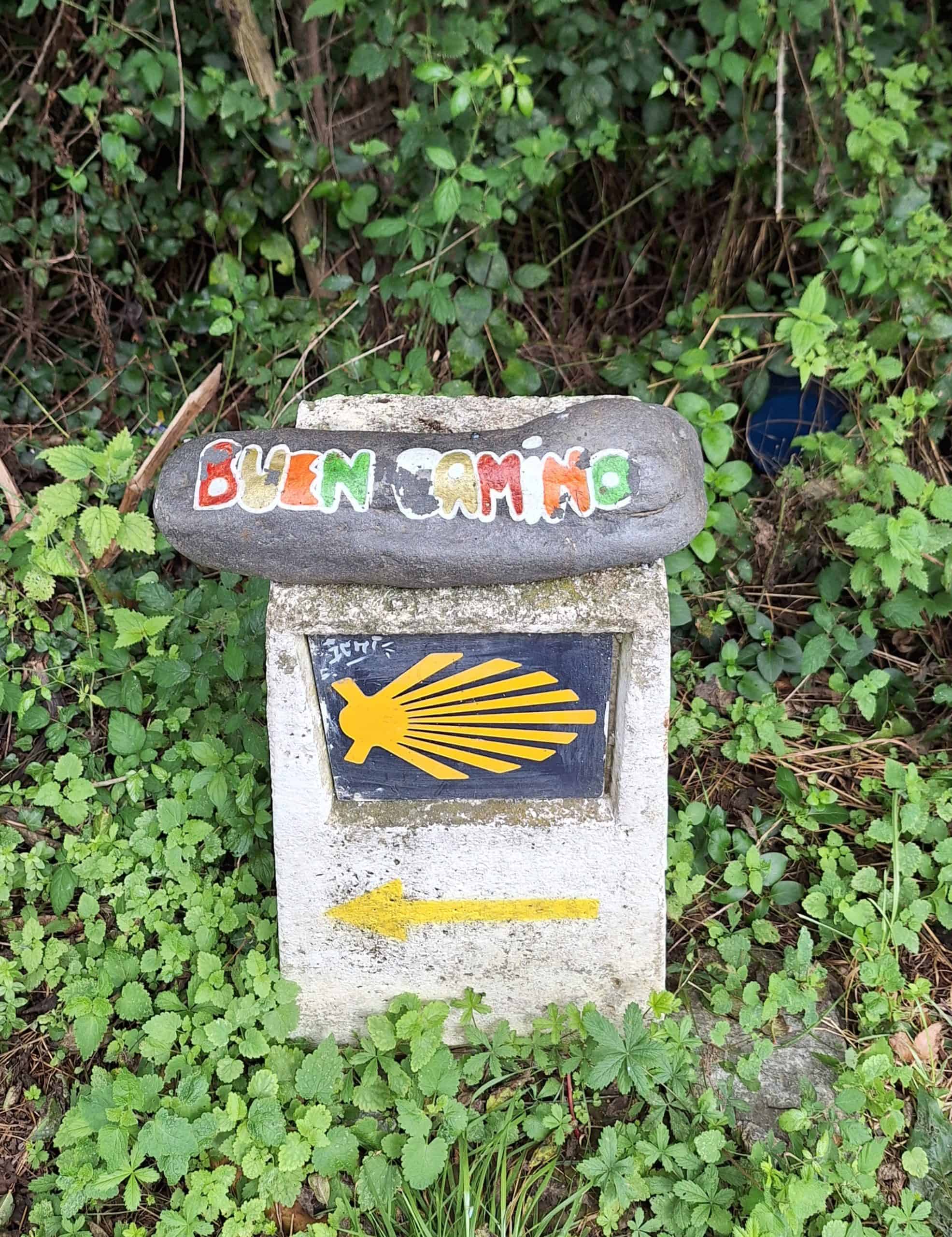
After walking three different Caminos—the Frances, the Primitivo, and the Portuguese—and living in Spain for a few years, I’ve learned that when you go can change everything.
Walk at the right time, and it’s slow mornings, sunshine on your back, and an open bunk at every stop. Walk at the wrong time, and you’re wet, weary, and praying someone packed earplugs—not to mention the rain you’ll likely get in the mountains no matter when you go.
Here’s what I’ve picked up along the way about the best (and worst) times to walk—plus tips on weather, routes, costs, and crowds to help you plan the Camino of your dreams (not nightmares).
Best Time To Walk Camino de Santiago
The best time of year to walk the Camino is during the spring or fall seasons. These shoulder seasons offer a balance that’s hard to beat.
Of course that is based on my personal experience and preferences. You won’t find deep discounts on accommodations, but you also won’t be competing for space the way you might in summer. The trails are a bit quieter, which makes for a more reflective and enjoyable journey.
Another reason I prefer walking in spring or fall is the weather. It tends to be milder—cooler than summer, but without the harsh cold and unpredictable conditions of winter. That said, if you’re walking in Southern Spain, winter can actually be quite pleasant. The same can’t be said for the north, where snow, rain, and limited daylight make things much more challenging.
Unless you’re an experienced hiker prepared for snow and rain along the northern routes in winter. Slippery trails and fewer open services can quickly turn a meaningful pilgrimage into a safety concern.
For most Caminoists, packing light and planning for the shoulder seasons is the smartest—and most enjoyable—way to experience the Camino.
Worst Time To Walk the Camino de Santiago
When is the worst time to walk the Camino de Santiago? When there’s nowhere to sleep. In winter, cold weather and holiday closures can make finding accommodations tricky—especially on certain routes. If you’re set on a winter pilgrimage, consider one of the Southern routes where conditions are a bit milder.
Summer brings the opposite challenge: crowds. It’s not uncommon to see groups of high school kids on the Camino in June and pilgrims from around the world, all heading toward Santiago. Unless you’ve booked ahead, it can feel like a race to the next albergue. And with high demand, prices often go up—making summer potentially more expensive than winter.
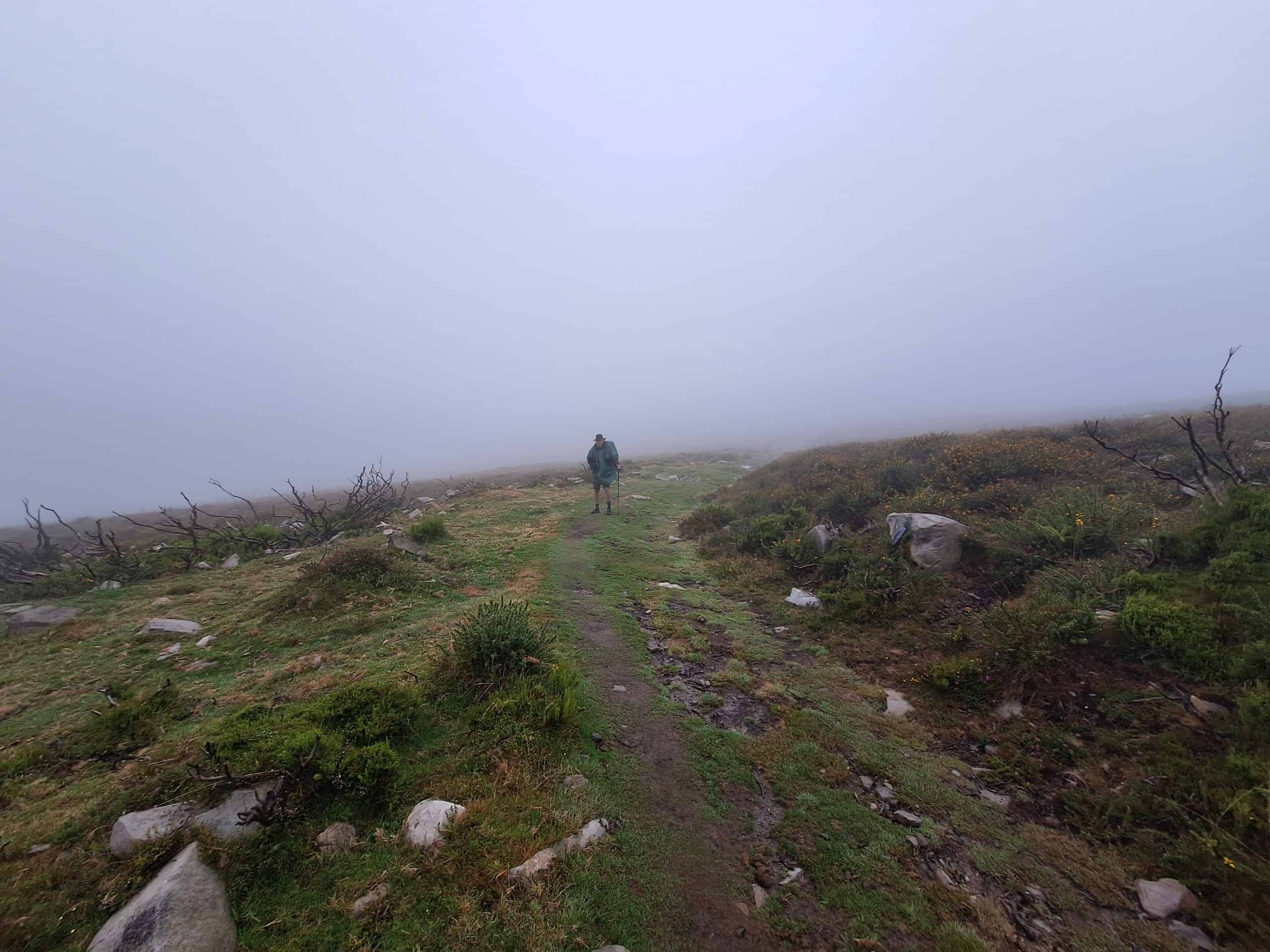
I walked the Camino Primitivo last September. It’s one of the toughest routes, with rugged mountains and unpredictable weather. Even in peak season, services are few and far between—and many close in winter. I can’t imagine covering 15 miles in the rainy weather, only to find there’s no warm bed waiting.
Camino de Santiago Weather By Month
Here’s a month-by-month guide to help you pick the best time to walk the Camino de Santiago—based on weather, crowds, and a few lessons I learned the hard way.
November – March
Winter can be a great time to walk if you want to avoid the crowds or seek solitude. This is a perfect time for those brave, adventurous souls who are seasoned hikers. Be prepared for snow or rain in Central and Northern Spain.
Some routes have sections that are closed during the winter months due to dangerous weather conditions—for example, the first stage from Saint-Jean-Pied-de-Port, France, to Roncesvalles, Spain, on the Camino Frances.
Accommodations is generally cheaper during this season, but many albergues and hostels close—especially along the northern routes: Camino Primitivo, English Way, Winter Way, or Camino Madrid. Advance planning is essential.
For milder weather and sunnier skies, consider southern Camino de Santiago routes like the Via de la Plata, where winter is gentler and more walkable. Up for a scenic detour? Explore Cabo de Gata-Níjar Natural Park in Almería—its breathtaking coastal trails offer a peaceful and unforgettable winter hiking experience in southern Spain.
April
This is the time of year when most albergues and hostels along the Camino begin to reopen—especially around Semana Santa (Holy Week) in April. Many Spaniards take advantage of the holiday to walk a portion of the Camino, often just for the week.
April can still be rainy and cool, particularly in northern Spain.
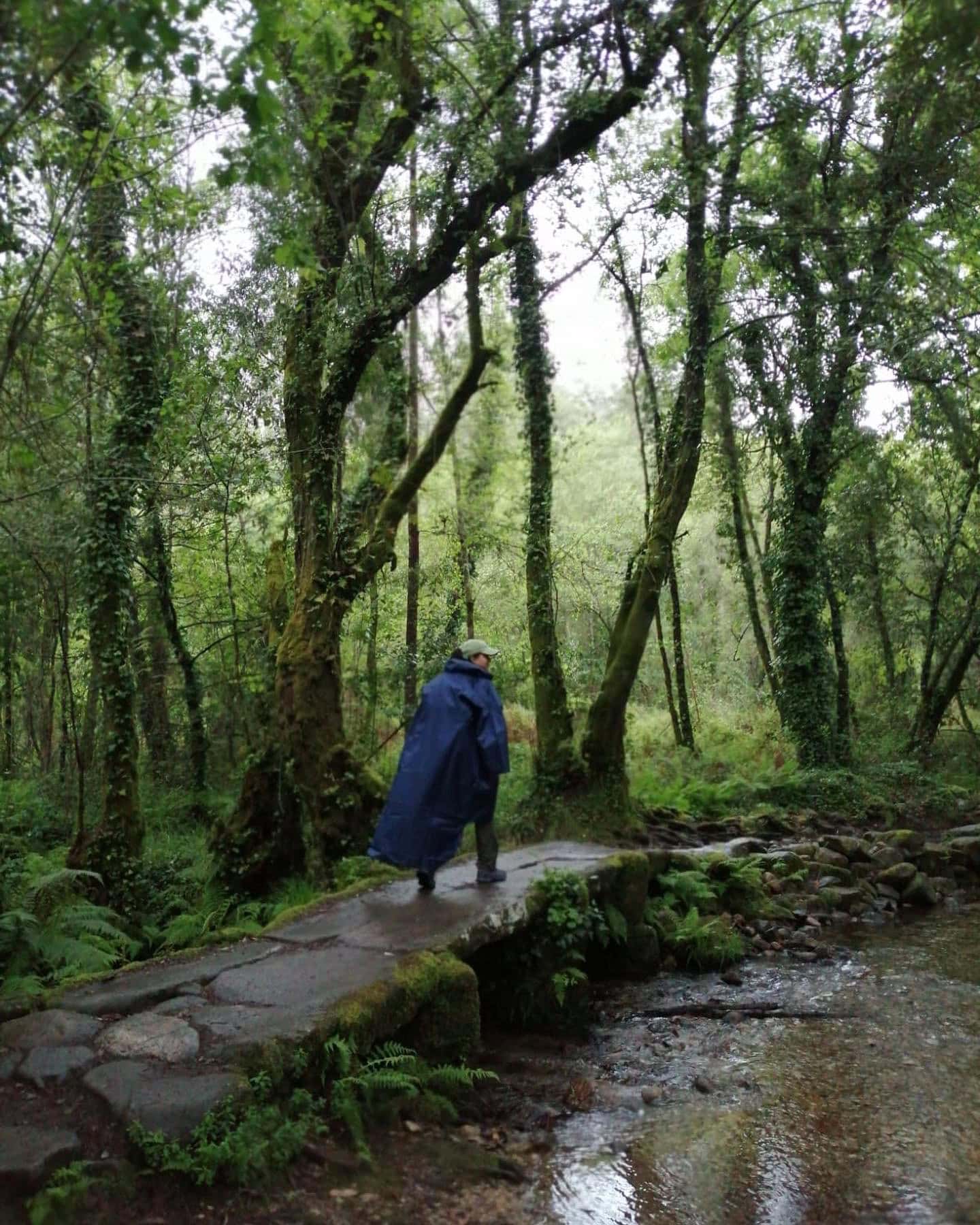
I walked part of the Camino Portugués during Holy Week, most days were damp and chilly—definitely a time for pants and a rain jacket. I was glad I had booked my hotel stays about a month in advance. It was busier than I expected.
May
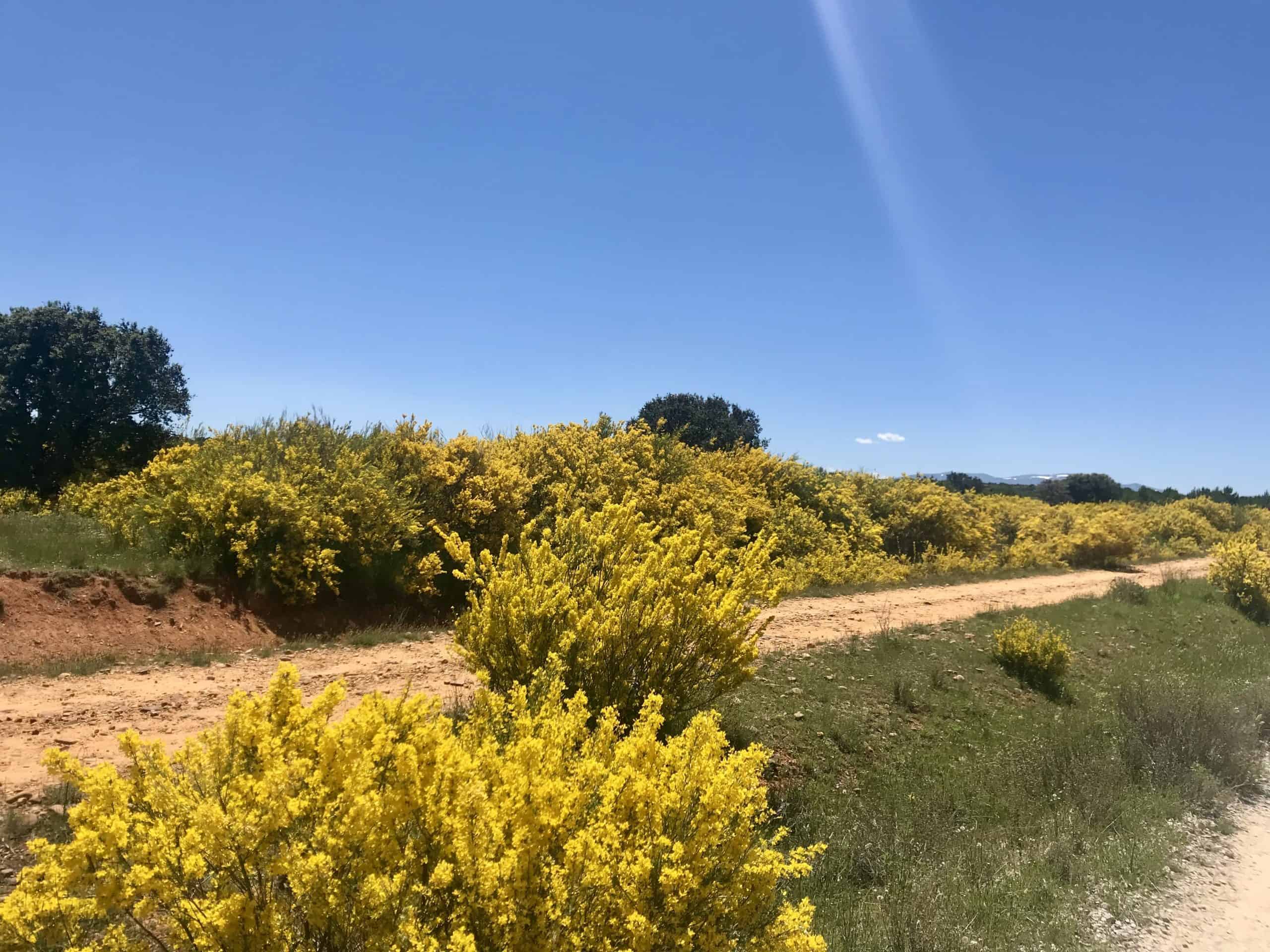
By May, spring is in full bloom. The days are longer, the weather warms up across most of Spain and Portugal, and the landscapes come alive with color. It’s one of the most pleasant months to walk.
Crowds begin to grow, especially on popular routes like the Camino Francés, so it’s smart to book accommodations in advance, particularly in busy towns.
If you’re on the Camino del Norte, occasional rain is still likely, but the scenery makes up for it.
June – August
This is peak-season to walk the Camino de Santiago, especially the most common route, Camino Frances. The scenery is stunning, with long, sunny days and landscapes at their most vibrant. However, if you’re walking through mountainous regions, always be prepared for sudden changes in weather—including rain.
For all the social peregrinos and those who thrive in heat (~95°F), this is the perfect time to walk. It’s a great way to meet people from all over the world. Nearly all services and albergues are open, except during siesta hours, but you’ll want to book ahead.
Expect to pay higher lodging prices and crowded conditions in popular towns.
When I walked the Camino Frances, I started in Saint-Jean-Pied-de-Port, France. It rained heavily most of the day and at the summit—4,500 feet up—the temperature dropped to around 45°F. I wasn’t prepared for that. Moral of the story: Summer doesn’t always mean sunshine—especially when you’re at higher elevations.
Tip: Start walking early in the morning to avoid the midday heat, especially on exposed sections like the Meseta – it was about 95°F in June. Carry extra water, wear sun protection, and pace yourself. Staying flexible and prepared makes all the difference during the summer months.
September – October
As summer fades into fall, the daytime temperatures often hover in the low 70s—ideal conditions for walking. This is also the time when it rains the least around Galicia, making it a favorable season for reaching Santiago.
At the start of the Camino Primitivo, however, the experience can be quite different. The route begins in the mountainous region of Asturias, where temperatures remain mild, around 70°F, but daily downpours are common. When I walked in September, it rained every day through Asturias. Good rain gear was essential.
Further south, the weather is typically drier and the evenings cooler. Regions like Andalusia offer more stable conditions, with far less rainfall than the northern routes. Still, no matter where you walk, autumn weather—especially in the mountains—can be unpredictable.
In my experience on the Camino Primitivo, September was busier than I had anticipated. I booked my accommodations about a month in advance. Even with that buffer, many hotels in larger towns were already full. In some cases, I had to extend my daily hike just to find a place to sleep. It just makes for a better adventure!
FAQs
Got some Camino questions weighing down your backpack? No worries! Here are some answers to help lighten your load and keep your pilgrimage from turning into a comedy of camino-errors.
Which Camino is best for the first time?
The Camino Frances is like the classic hit of Camino routes—perfect for first-timers. It’s well-marked, beginner-friendly, and packed with pilgrim-friendly services. On average, you’ll walk about 12–15 miles a day. Perks: plenty of hotels, cozy cafés, and many other comforts to keep your feet happy.
Where is the best place to start the Camino?
Where you start the Camino depends on your time, experience, and route.
If you’re walking for at least a week and want the official Compostela certificate, start anywhere within the last 100 km (or 200 km by bike). The most popular spots are Sarria (Camino Francés), Lugo (Camino Primitivo), and Tui (Camino Portugués).
Got more time or want a challenge? Start the Camino Frances in Saint-Jean-Pied-de-Port and cross the stunning Pyrenees, or begin the Primitivo in Oviedo, deep in the mountains of Asturias.
How many days do you need for Camino?
To earn the official Compostela de Santiago, most people walk the last 100 km (or cycle 200 km), usually over 7 days. Beyond that, the length of your Camino depends on your route, pace, and schedule.
Most pilgrims take 30–40 days to complete a full route—not including rest days. The Via de la Plata, one of the longest routes, can take even more.
I did the Camino Frances in 23 days, half walking, half biking, and zero rest days. I don’t recommend it. It was my first Camino, and I’d barely done any research. A little planning (and a few siestas) makes a big difference.
What is the weather like on the Camino in October?
Don’t forget your rain gear! Weather on the Camino in October can be unpredictable. In the north, temperatures tend to be cooler—around 65°F—with a higher chance of rain. Central and southern Spain stay warmer, averaging 75°F to 85°F, and are generally drier than the north, though showers are still possible. Pack smart and be ready for anything!
And that’s ¡Olé!
After walking three different Caminos—and living in Spain long enough to experience every season—I can tell you: timing matters. The right time brings golden mornings and peaceful trails; the wrong one? Soggy socks, crowded albergues, and rain that laughs at forecasts.
Wherever you start, a little planning—and a touch of Spanish spirit—goes a long way. Slow down, enjoy the menu del día, and let the journey unfold.
May your Camino be filled with clear skies, kind strangers, a little tinto de verano, and just the right amount of challenge. Buen Camino!